 By dylan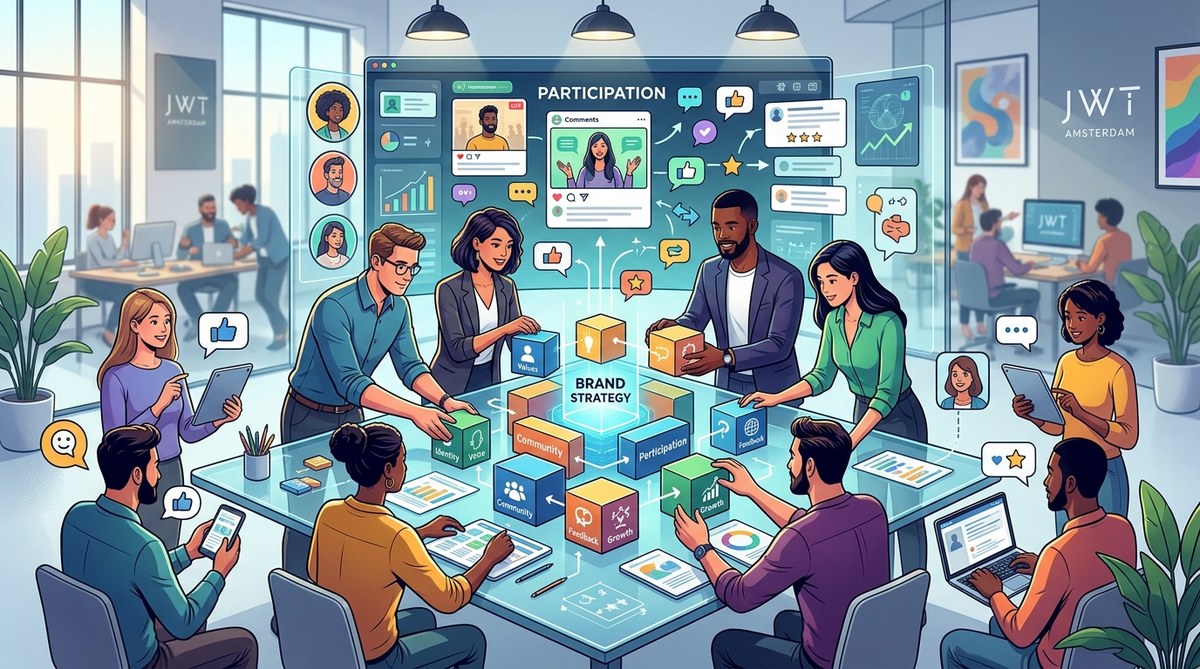
Most brand strategies treat customers like an audience at a movie theater. Sit back. Watch the show. Maybe buy popcorn on the way out. But the brands winning in 2026 do something different. They hand over the camera. They let the audience write part of the script. They build experiences where participation isnt just encouraged, it is the whole point. An audience participation brand strategy flips the old model on its head. Instead of broadcasting at people, you invite them to build with you. The result is deeper loyalty, richer data, and a brand that actually evolves with the people who love it.
An audience participation brand strategy shifts your brand from a monologue to a dialogue. By designing real opportunities for co-creation, feedback, and community input, you turn passive customers into invested partners. This approach builds trust, generates authentic content, and creates loyalty that no ad campaign can buy. The framework is simple: listen, invite, act, and repeat.
Why Audience Participation Changes Everything
The math is straightforward. A customer who helps shape a product feels ownership over it. A customer who votes on a new flavor feels heard. A customer whose photo gets featured on your social feed feels seen. That feeling of ownership and recognition is worth more than any discount code.
In 2026, people have zero tolerance for brands that talk at them. They want brands that talk with them. They expect their voice to matter. When you build a brand strategy around audience participation, you stop competing on price or features alone. You compete on relationship. And relationships are hard to copy.
Consider the difference between a brand that asks “What do you think?” and one that actually changes based on the answer. The first gets a polite nod. The second gets a loyal fan who tells everyone they know.
The Core Principles of an Audience Participation Brand Strategy
Before you jump into tactics, get the principles right. These four pillars hold up any participation driven brand.
- Reciprocity first. You ask for input, but you also give value back. Early access, credit, influence, or simply a thank you that feels genuine.
- Low barrier to entry. Dont ask for a 20 minute survey. Ask for a one word vote. Let people participate at the level they choose.
- Visible impact. When someone contributes, show them what changed. Point to the menu item they voted for. Tag them in the campaign they inspired.
- Ongoing conversation. Participation isnt a campaign. It is a habit. Build touchpoints that keep the loop spinning month after month.
How to Build Your Audience Participation Brand Strategy in 5 Steps
Here is a practical process you can start this week. Each step builds on the last.
-
Map your participation points. List every place your brand meets your audience. Website, social media, product packaging, customer support, events. For each point, ask: “Could someone influence or co-create something here?” Identify gaps where participation is missing.
-
Design one low-stakes entry opportunity. Start small. A poll on Instagram Stories asking which color your next limited edition should come in. A comment thread asking for name suggestions for a new feature. The goal is to prove that participation works before you scale it.
-
Close the loop publicly. When someone participates, show them the result. Post the winning color. Announce the chosen name. Tag the person who suggested it. Visibility is the fuel that keeps the engine running.
-
Build a feedback rhythm. Schedule a regular cadence of participation moments. Weekly polls. Monthly product input sessions. Quarterly community calls. Consistency turns participation from a one-time gimmick into a brand behavior.
-
Measure what matters. Track not just engagement rates but also sentiment, repeat participation, and the number of ideas that actually make it to market. These numbers tell you if your audience participation brand strategy is working.
Participation Techniques That Work (and Pitfalls to Skip)
Not all participation is created equal. Some approaches build trust. Others erode it. Here is a comparison of techniques and the mistakes that kill their impact.
| Technique | How It Works | Common Mistake |
|---|---|---|
| Crowdsourced product ideas | Ask your community to submit concepts for a new product or feature. Let them vote on finalists. | Never implementing a winning idea. If you ask and ignore, people stop trusting. |
| User-generated content campaigns | Invite customers to share photos or stories using your product. Feature the best submissions. | Using UGC without permission or credit. Always ask and always tag. |
| Co-created brand content | Let audience members write a blog post, host a takeover, or design a limited edition label. | Over-editing to the point where the contribution loses authenticity. Let their voice stay theirs. |
| Live Q&A and decision streams | Go live on video and let the audience vote on decisions in real time. Which feature to build next. Which charity to support. | Not preparing a backup plan if participation is low. Have questions ready to prompt response. |
| Community voting on brand direction | Let members vote on packaging, pricing, or campaign themes. | Making the vote performative by already having the answer decided. Real participation requires real influence. |
“The brands that win in 2026 are the ones that treat their audience as collaborators, not consumers. When you give people a real seat at the table, they stop being customers and start being advocates.” — JWT Amsterdam strategy team
Common Missteps That Derail Participation
Even with the best intentions, brands stumble. Here are the most frequent errors and how to avoid them.
Asking without acting. This is the number one killer. You run a poll. You collect ideas. You thank everyone. Then nothing changes. After two or three cycles, your audience learns that participation is theater. They stop showing up. The fix is simple: never ask for input unless you are ready to use it.
Making it too complicated. If someone has to create an account, fill out a form, or watch a tutorial to participate, you have already lost most of your audience. Keep the friction near zero. A single click. A single emoji reaction. That is enough to start.
Ignoring the quiet majority. The loudest voices on social media are not always your most representative customers. Build participation channels that capture input from people who do not post publicly. Surveys, feedback buttons, and private community spaces help balance the signal.
Forgetting to celebrate contributors. People want to be seen. If you use someone’s idea but never thank them publicly, you miss the relationship moment. A simple shoutout, a discount code, or a handwritten note goes a long way.
How to Sustain Participation Over Time
The first participatory campaign is exciting. The tenth one needs to feel fresh. Sustaining an audience participation brand strategy requires rotation and evolution.
Rotate the type of participation you offer. One month focus on visual content (photos, videos). The next month focus on verbal input (ideas, feedback). The month after that focus on voting and ranking. Variety keeps the habit from going stale.
Evolve the stakes. Early participation should be easy and low risk. Over time, give your most engaged members higher impact opportunities. Invite them to beta test. Let them join a brand advisory panel. Recognize them as power contributors. This creates a ladder of participation that rewards loyalty.
Connect participation to identity. When someone contributes to your brand, they start to see themselves as part of something bigger. Feed that identity. Call your community something memorable. Celebrate milestones together. Make them proud to be on the team.
Real World Signals That Participation Is Working
How do you know your audience participation brand strategy is taking hold? Look for these signs.
- Customers refer to your brand as “we” instead of “they.”
- People volunteer ideas without being prompted.
- Your community moderates itself, answering questions and welcoming newcomers.
- Participation rates grow month over month without extra ad spend.
- Customers defend your brand in public forums when someone criticizes it.
Each of these signals points to the same underlying truth. Your audience has moved from passive consumption to active ownership. That shift is the entire goal.
Bringing It All Together for 2026
In a world where attention is the scarcest resource, participation is the most powerful tool. An audience participation brand strategy does not just capture attention. It transforms attention into investment. When people invest their time, ideas, and creativity into your brand, they become part of your story. And no competitor can take that away.
Start where you are. Pick one touchpoint. Design one small invitation. Close the loop publicly. Then do it again. Over time, those small moments of participation build a brand that does not just speak to its audience. It belongs to them. That is the kind of brand people stay loyal to, talk about, and defend. And in 2026, that is the only kind of brand that truly thrives.