 By dylan
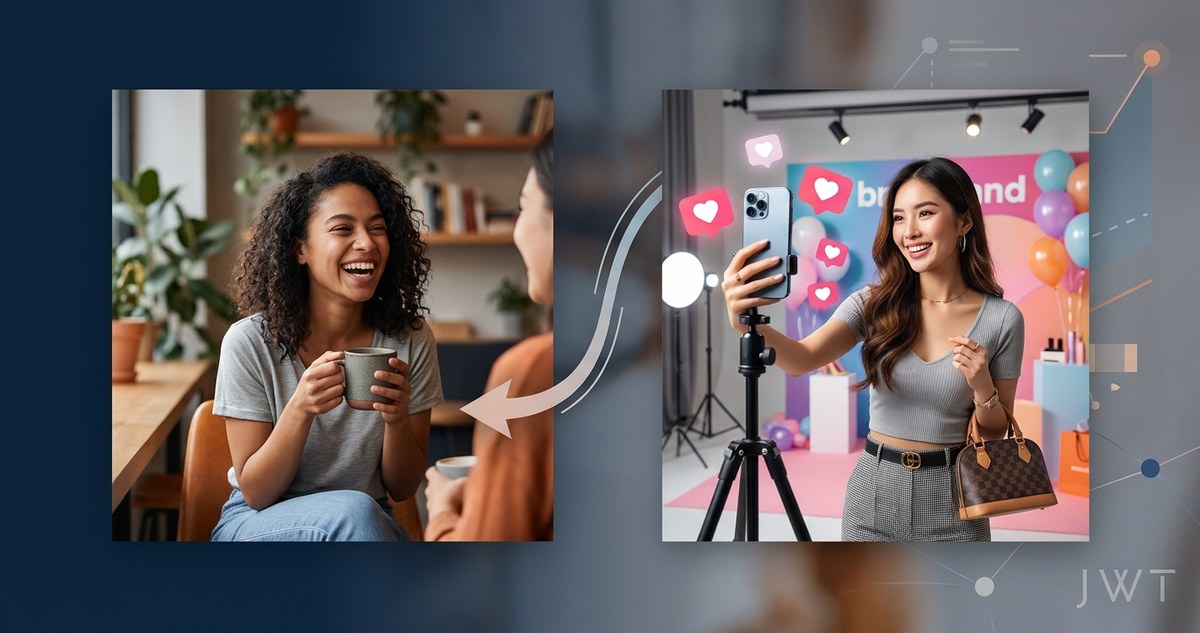
The shift happened quietly at first. A creator with a million followers told her audience not to buy a viral moisturizer. She showed them a cheaper drugstore alternative and pointed out the expensive brand’s questionable ingredient list. The video got more engagement than any sponsored post she had ever made. That moment marked a turning point for the beauty industry and for anyone building a brand strategy in 2026.
Consumers are tired of being sold to. They have developed a sixth sense for inauthenticity. The perfectly lit, heavily edited product endorsement no longer lands the way it used to. Instead, a new voice is getting louder. The anti-influencer. Someone who tells people what not to buy. Someone who posts unboxing videos but points out the flaws. Someone who builds trust by being honest about the bad stuff.
This is not a fringe movement. It is a structural shift in consumer trust that demands a rethinking of your anti-influencer trend brand strategy. If your marketing roadmap still relies on polished endorsements and gifting hauls, you need to pay attention.
The anti-influencer trend is not a threat to brand strategy; it is an invitation to build deeper trust. By embracing honest feedback, partnering with creators who critique, and focusing on product quality over polish, brands can turn this movement into a long-term competitive advantage.
Why the Anti-Influencer Trend Is Gaining Momentum
The numbers tell a clear story. A 2025 survey from a major consumer research firm found that 68 percent of shoppers in the United States trust a negative product review more than a positive one from a paid creator. That number jumps to 78 percent for Gen Z and young millennials.
Think about what that means for your brand. Every sponsored post your team sends out is now being filtered through a lens of skepticism. The audience is asking a different question. Instead of “Is this product good?” they are asking “Why is this person telling me it is good?”
The anti-influencer movement answers that second question with brutal honesty. These creators do not pretend everything is amazing. They call out bad packaging. They admit when something broke after three uses. They show the pilling texture of a foundation that looked smooth in the ad. This honesty feels like a breath of fresh air in a marketplace drowning in aspirational content.
For brand strategists in beauty, fashion, and lifestyle, this creates a paradox. You need visibility, but the old methods of buying that visibility are losing their power. The solution is not to abandon influencer marketing. It is to change how you approach it.
How to Adjust Your Brand Strategy for the Anti-Influencer Era
Adapting your strategy does not mean tearing down everything you have built. It means adding a new layer of authenticity that matches the current mood of your audience. Here are the practical steps to take right now.
1. Audit Your Current Creator Partnerships
Start by looking at the creators you currently work with. Do they post only positive content? Have they ever publicly criticized a product in your category? If the answer is no, you might be working with people who are seen as too polished to be trusted.
Go through your last ten campaigns and ask yourself these questions:
- Did the creator disclose the partnership clearly?
- Did the content include any honest critique or trade-offs?
- Did the comments section show genuine curiosity or blind praise?
- Was the engagement rate higher or lower than the creator’s average?
If your campaigns feel like infomercials, they probably are. The anti-influencer trend rewards content that feels like a conversation between friends. That means allowing room for imperfection.
2. Partner With Creators Who Have a Track Record of Honest Reviews
This might feel counterintuitive. Why would you pay someone who might say something negative about your product? The answer is simple. If your product is good, an honest review will show that. If your product has flaws, you need to know about them before your customers do.
Look for creators who have built their following on trust. They are the ones who post a “What I bought and what I actually think” video every month. They show the before and after without filters. They respond to critical comments with respectful discussion rather than deletion.
A beauty brand called Stratia built its entire growth strategy around this approach. The founder regularly posts about formulation trade-offs, explaining why she chose one ingredient over another even if it made the texture less creamy. Her audience trusts her completely because she never hides the downsides. That trust translates to a conversion rate that most brands can only dream of.
3. Create Content That Invites Criticism
One of the most powerful moves you can make is to proactively address the flaws in your own products. Write a blog post about the three things your customers complain about most and what you are doing to fix them. Record a video where your product developer explains why a certain shade does not work for all skin tones and what the team is doing about it.
This approach flips the script. Instead of waiting for an anti-influencer to call you out, you beat them to the punch. You show that you are listening and that you care about improvement. This builds a level of respect that no paid endorsement can match.
4. Measure Trust Metrics, Not Just Vanity Metrics
Your reporting dashboard probably tracks impressions, reach, and click-through rates. Those numbers still matter, but they do not tell you if your brand is actually trusted. Add new metrics to your anti-influencer trend brand strategy measurement framework.
| Traditional Metric | Trust Metric |
|---|---|
| Impressions | Comment sentiment analysis |
| Reach | Share of voice in honest review content |
| Click-through rate | Repeat purchase rate from creator referrals |
| Engagement rate | Ratio of critical vs. praising comments |
| Follower growth | Subscriber retention on owned channels |
The right side of this table tells you whether your strategy is building durable trust or just surface-level awareness. If your comment sentiment is mostly negative, you have a product or communication problem that no amount of influencer spend can fix.
Common Mistakes Brands Make When Reacting to the Trend
Many brands see the anti-influencer movement and make one of two errors. They either ignore it completely or they try to co-opt it in a way that feels fake. Both approaches backfire.
Here is what to avoid:
- Paying anti-influencers to become promoters. If you offer money to a creator known for honest critique, their audience will see the partnership as a sellout. The trust evaporates instantly.
- Overcorrecting with overly casual content. Trying to look “authentic” by posting blurry phone videos or unpolished copy can feel staged if it does not match your brand voice. Authenticity is not the same as sloppiness.
- Ignoring negative feedback on your own channels. When customers leave critical comments on your posts, do not delete them. Respond with empathy and a plan. Deleting negative comments is the fastest way to signal that you have something to hide.
- Using deinfluencing as a marketing gimmick. Some brands have run campaigns with headlines like “We do not want you to buy this.” That only works if you genuinely mean it and back it up with action. Otherwise it is just another ad.
“The anti-influencer trend is not about hating brands. It is about wanting brands to be honest. If you treat your customers like adults and tell them the full story, they will reward you with loyalty that no filter can fake.” – Mikaela Ruland, brand strategist and author of The Trust Economy
What a Healthy Anti-Influencer Brand Strategy Looks Like in Practice
Let us look at a real example from the fashion space. A denim brand called Imogene + Willie has never paid an influencer for a post. Instead, they send their jeans to a small group of creators who are known for doing honest wardrobe reviews. The creators are free to say whatever they want.
One creator posted a video saying the jeans fit perfectly but the back pockets were too shallow for her phone. The brand replied publicly, thanked her for the feedback, and said they were testing a new pocket design for the next season. That single interaction generated more goodwill than a hundred polished lookbook photos.
The same principle applies to beauty. A skincare brand called Dieux has built a cult following by being transparent about their margins, their ingredient sourcing, and their failures. They once posted a video explaining why a new formula caused breakouts in some users and offered full refunds without asking for proof. The video went viral in the best way possible. Sales for their other products went up because people trusted the brand to be honest about the bad stuff too.
How to Build Your Anti-Influencer Strategy Into Your Marketing Roadmap
You can start implementing these ideas today without blowing up your current budget. Here is a simple three-step process.
- Identify three creators in your niche who have a reputation for honest, critical reviews. Do not approach them with a paid brief. Instead, send them your product with a note that says “We want your real opinion. Good or bad. Post whatever you think.”
- Create a feedback loop. Collect the honest critiques from these creators and share them with your product and customer experience teams. Use that feedback to make tangible improvements. Then, share the story of those improvements publicly.
- Shift your content calendar to include at least one “honest trade-off” post per month. This could be a comparison video, a behind-the-scenes look at a product failure, or a candid discussion about pricing. Make it a regular rhythm, not a one-time stunt.
This approach works because it aligns your brand strategy with what consumers actually want. They do not want perfection. They want honesty. They want to know that you are trying to make something good, even when you miss the mark.
Why Your Brand Strategy Needs a Cultural Relevance Check in 2026
The anti-influencer trend is not going away. It is the logical next step in a market where consumers have been oversaturated with ads for two decades. People have learned to tune out the noise. They are actively seeking signals that help them make better decisions.
Your job as a brand strategist is to provide those signals. That means building a strategy that values transparency over polish. It means hiring creators who are willing to criticize you. It means measuring trust as seriously as you measure reach.
If you want to go deeper into the mechanics of this shift, read our guide on building a resilient brand strategy in a rapidly changing digital landscape. It covers the structural changes you need to make to your team and your processes.
Your Next Move Starts With One Conversation
The anti-influencer trend does not have to feel like a threat. Think of it as a diagnostic tool. If your product cannot survive an honest review, you have a product problem. If your brand cannot handle a critical comment, you have a culture problem. Both of those are fixable.
Start small. Pick one product. Send it to one honest creator. Listen to what they say. Then decide what to do next. That single loop of feedback, humility, and improvement is the foundation of a brand strategy that will win in 2026 and beyond.
The brands that will thrive are not the ones with the biggest budgets. They are the ones brave enough to stop pretending and start listening.