 By dylan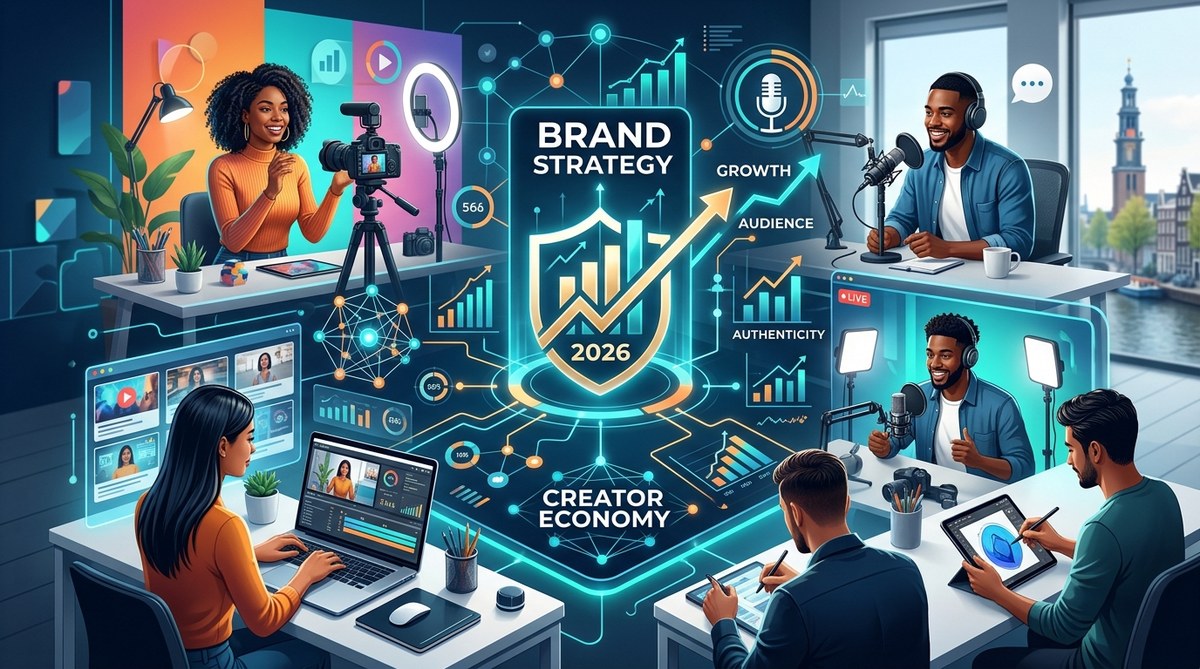
The annual planning meeting is next week. Your team has prepared the usual mix of paid media forecasts and brand tracking data. But something feels off. Consumers are tuning out polished ads. They trust a 22-year-old reviewing skincare on TikTok more than they trust a Super Bowl spot. Your competitors are already experimenting with creator-led campaigns, and some are seeing returns that make traditional channels look sluggish. This is not a fringe trend. The creator economy has matured into a core pillar of modern brand strategy. In 2026, ignoring it means leaving growth on the table.
The creator economy is no longer an experimental add-on. In 2026, it is a strategic necessity for brands that want to build trust, reach new audiences, and drive measurable growth. This article gives senior marketers a clear framework to justify creator partnerships in their annual plan, including a step-by-step process, common mistakes to avoid, and real examples of brands winning with creators.
Why the Creator Economy Demands a Place in Your Brand Strategy
The numbers are hard to ignore. According to recent industry reports, the creator economy is now valued at over $250 billion globally. More than 50 million people worldwide consider themselves content creators. For brands, this represents a massive shift in how audiences consume information and make purchase decisions.
Traditional advertising relies on interruption. You pay to place your message in front of people, hoping they pay attention. Creator content works differently. It earns attention through authenticity, relatability, and community connection. When a creator recommends your product, it does not feel like an ad. It feels like advice from a trusted friend.
This distinction matters more in 2026 than ever before. Consumers have grown skeptical of brand messaging. They use ad blockers, skip pre-roll videos, and ignore banner ads. But they actively follow creators, engage with their content, and act on their recommendations. A brand strategy that does not account for this behavior is built on outdated assumptions.
The Strategic Shift: From Campaign Partner to Long-Term Collaborator
Many brands still treat creators as a tactical channel. They run a one-off sponsored post, measure the engagement, and move on. That approach misses the real opportunity. The most successful brand strategy creator economy 2026 examples show a different model: long-term partnerships where creators become genuine brand advocates.
Think of it like this. A single sponsored post is a transaction. A multi-month collaboration is a relationship. When a creator works with your brand over time, their audience sees them using your product naturally. The endorsement feels earned, not paid for. This builds trust that no display ad can replicate.
What Long-Term Creator Partnerships Look Like
- Product co-creation: Creators help design limited-edition products or menu items.
- Brand ambassadorship: Creators appear in multiple campaigns across the year.
- Community management: Creators host live Q&A sessions or moderate brand communities.
- Content series: Creators produce recurring content, like a monthly “day in the life” featuring your product.
- Feedback loops: Creators provide honest input on product development and messaging.
Each of these formats moves beyond a simple post. They embed the creator into your brand ecosystem. The result is deeper audience connection and more sustainable growth.
A Practical Process to Integrate Creators Into Your Brand Strategy
If you are preparing your 2026 annual plan, here is a numbered process to build creator partnerships into your brand strategy from the ground up.
-
Audit your current brand trust metrics. Before you start, know where you stand. Measure brand sentiment, share of voice, and direct consumer feedback. Identify gaps in trust or awareness that creators could help fill.
-
Define your creator partnership criteria. Not every creator is right for your brand. Create a clear profile based on audience demographics, content style, values alignment, and engagement quality over follower count.
-
Build a tiered partnership model. Plan for different levels of investment. Micro-creators (10k to 100k followers) often drive higher engagement rates. Mid-tier creators (100k to 500k) offer scale without losing authenticity. Macro-creators (500k+) provide broad reach for major campaigns.
-
Design a measurement framework. Decide what success looks like before you launch. Common metrics include engagement rate, referral traffic, coupon code redemptions, and brand lift studies. Tie each metric back to a business objective.
-
Create a content collaboration brief. Give creators creative freedom within clear brand guardrails. A brief that is too restrictive kills authenticity. One that is too loose can damage brand consistency. Find the balance.
-
Launch a pilot program. Start with three to five creators for a 90-day test. Track results against your baseline. Use the data to refine your approach before scaling.
-
Scale based on performance. After the pilot, double down on what works. Expand partnerships with top performers and test new creator segments.
Common Mistakes Brands Make With Creator Partnerships
Even well-intentioned brands stumble. Here is a table of frequent mistakes and how to avoid them.
| Mistake | Why It Hurts | Better Approach |
|---|---|---|
| Choosing creators based only on follower count | High follower counts often mean low engagement. You pay for reach that does not convert. | Prioritize engagement rate and audience fit over raw numbers. |
| Over-controlling the creative process | Scripted, brand-heavy content feels inauthentic. Audiences can spot a paid ad a mile away. | Give creators a brief with key messages, then trust their creative instincts. |
| Treating all creators the same | A beauty creator and a gaming creator have different audiences and content styles. One size does not fit all. | Tailor your approach to each creator’s niche and platform. |
| Ignoring long-term relationship building | One-off posts do not build brand affinity. Audiences notice when a creator stops mentioning your product. | Invest in ongoing partnerships that feel natural over time. |
| Failing to disclose partnerships clearly | Hidden sponsorships erode trust and violate FTC guidelines. | Always use clear disclosure language like #ad or “Paid partnership.” |
Measuring What Matters in Creator-Led Brand Strategy
You cannot justify budget without data. But traditional metrics like impressions and views only tell part of the story. For a brand strategy creator economy 2026 plan to succeed, you need a measurement framework that captures both short-term results and long-term brand value.
Metrics to Track
- Engagement rate: Likes, comments, shares, and saves relative to reach. This shows how well the content resonates.
- Sentiment analysis: Are comments positive, negative, or neutral? This reveals how the audience perceives your brand through the creator.
- Referral traffic: Use unique links or UTM parameters to track how many people visit your site from a creator’s content.
- Conversion rate: Measure how many of those visitors take a desired action, like making a purchase or signing up for a newsletter.
- Brand lift: Run surveys before and after a campaign to measure changes in awareness, favorability, and purchase intent.
- Customer lifetime value (CLV): Compare the CLV of customers acquired through creator partnerships versus other channels. Creator-acquired customers often have higher retention rates.
“The most effective creator partnerships are built on shared values and mutual respect. When a creator genuinely believes in your product, their audience will too. That authenticity is something money cannot buy.” — Sarah Chen, Head of Creator Partnerships at a major CPG brand
Real Brands Winning With Creator-Led Brand Strategy
Let us look at two examples that illustrate the power of this approach.
Example 1: A DTC skincare brand
This brand identified a gap in trust among Gen Z consumers. They partnered with five micro-creators who specialized in “skin positivity” content. Instead of giving them a script, the brand sent product samples and asked for honest reviews. The creators produced unboxing videos, morning routines, and Q&A sessions. Over six months, the brand saw a 40% increase in website traffic from social media and a 25% boost in repeat purchases. The key was letting creators tell their own stories.
Example 2: A regional fast-casual restaurant chain
This chain wanted to attract younger customers in a specific metro area. They partnered with local food bloggers and lifestyle creators. Each creator received a prepaid card and was invited to bring a friend for a meal. The only requirement was to post an honest review. The campaign generated over 200 user-generated content pieces and a 15% increase in foot traffic among the target demographic. The cost was a fraction of a traditional radio or billboard buy.
Both examples share a common thread. The brands did not try to control the message. They trusted the creators to communicate in a way that felt natural to their audiences.
How to Pitch Creator Partnerships to Your Leadership Team
If you need buy-in from your C-suite, focus on the business case. Here are three arguments that resonate.
Trust is the new currency. Consumers trust creators more than brands. Partnering with creators transfers some of that trust to your brand. This is especially important in a cookieless world where third-party data is disappearing.
Creator content has a longer shelf life. A paid ad stops performing the moment you stop spending. A creator’s video or blog post continues driving traffic and engagement for months or years. This makes creator partnerships a more efficient use of budget over time.
Creators provide valuable consumer insights. They talk to their audiences every day. They know what their followers want, what frustrates them, and what excites them. Tapping into that knowledge can inform your product development and messaging in ways that focus groups cannot.
For more on building a strategy that adapts to changing consumer behavior, read our guide on building a resilient brand strategy in a rapidly changing digital landscape.
Preparing Your Brand for the Next Phase of the Creator Economy
The creator economy will not stay static. In 2026, we are already seeing new trends that will shape the next few years.
- AI-assisted content creation: Creators are using AI tools to produce more content, faster. This means more opportunities for brand collaborations, but also more noise. Quality and authenticity will become even more critical.
- Niche community platforms: While TikTok and Instagram dominate, smaller platforms like Discord, Substack, and Patreon are growing. These platforms offer deeper audience engagement and less competition for attention.
- Creator-led commerce: More creators are launching their own products. Brands that partner with creators on co-branded products can tap into existing demand and distribution.
Your brand strategy should account for these shifts. Build flexibility into your creator partnerships so you can pivot as the landscape evolves.
To see how other brands are capturing loyalty through innovative approaches, check out our piece on innovative brand strategies to capture consumer loyalty in 2026.
Your Next Steps for 2026
The evidence is clear. A brand strategy that embraces the creator economy is not a gamble. It is a calculated move toward where consumer trust and attention already live. The brands that wait for proof will find themselves playing catch-up.
Start small if you need to. Pick one creator, run a three-month pilot, and measure everything. Use the data to build your case for a larger investment next quarter. The creators are ready. Your audience is waiting. The only question is whether your brand strategy will meet them where they are.
For a deeper look at the metrics that matter, read our guide on 7 brand strategy metrics that matter most in 2026.
The creator economy is not the future. It is the present. Make sure your brand strategy reflects that reality.