 By dylan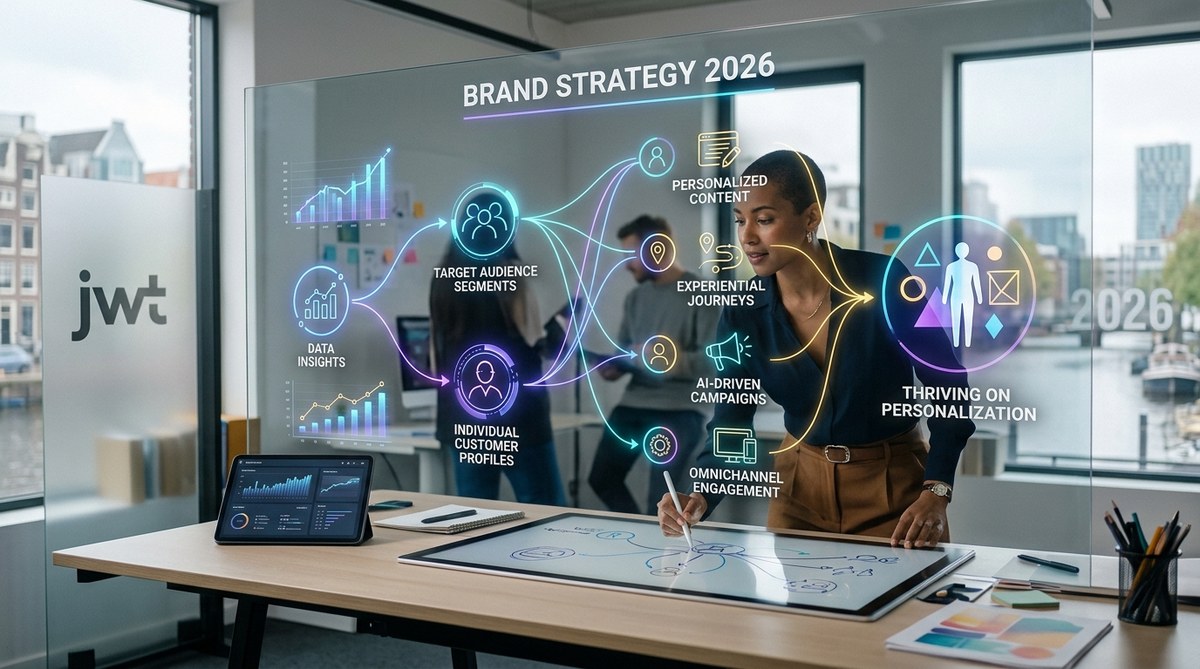
You sit down to map out your brand strategy for the year ahead. The old playbook of broad segments and spray-and-pray messaging is collecting dust. In 2026, consumers expect brands to know them, not just label them. They want experiences that feel personal, not creepy. They want recognition, not assumption. And they will reward the brands that get this right with their loyalty, their wallet, and their advocacy. The question is not whether to personalize your brand strategy. The question is how to do it in a way that is authentic, scalable, and built for the long haul.
Personalization is no longer a campaign tactic. It is the core of a modern brand strategy. This guide gives you a repeatable framework to weave personalization into your brand identity, messaging, and customer experience without losing scale or consistency. You will learn the pillars of a personalized brand, common traps to sidestep, and a step-by-step process to start building yours today.
What Personalization Means for Your Brand in 2026
Personalization used to mean putting a first name in an email subject line. That era is over. Today, a personalized brand strategy means delivering relevant, timely, and tailored experiences across every touchpoint while making each person feel like your brand was built with them in mind.
Think about how Spotify wraps up your year in a custom playlist. Think about how Nike lets you design your own sneakers. Think about how Stitch Fix sends a box of clothes handpicked for your body type and taste. These brands do not just sell products. They sell a feeling of being seen.
In 2026, three forces are pushing personalization from nice-to-have to must-have:
- Consumers have zero tolerance for generic messaging. They scroll past it in seconds.
- First-party data is the only reliable fuel for marketing, thanks to privacy regulations and the phase-out of third-party cookies.
- AI tools make it possible to deliver personalization at scale without a massive team.
The brands that thrive will be the ones that treat personalization as a brand discipline, not a marketing gimmick.
The Five Pillars of a Personalized Brand Strategy
Building a personalized brand strategy that holds up under pressure requires five core pillars. Miss one, and the whole structure wobbles.
| Pillar | What It Means | Common Mistake |
|---|---|---|
| Identity | Your brand stands for something clear and consistent. Personalization happens within that frame. | Changing your voice for every segment, losing coherence. |
| Data | You collect and connect first-party signals across the customer journey. | Hoarding data without a plan to act on it. |
| Segmentation | You group people by behavior, intent, and context, not just demographics. | Using age or location as the only filter. |
| Delivery | You serve personalized content, offers, and experiences at the right moment. | Automating everything without human oversight. |
| Feedback | You listen to results and iterate based on what works. | Setting personalization on autopilot and forgetting about it. |
Let us walk through each pillar so you can see how they fit together.
Identity: Your Brand as a North Star
A personalized brand strategy does not mean shape-shifting to please everyone. It means adapting your expression while staying rooted in who you are. Think of your brand identity as a sturdy tree. The trunk stays the same. The branches sway and bend with the wind.
Patagonia is a great example. Their environmental mission is non-negotiable. But they personalize recommendations based on whether you are a climber, a trail runner, or a fly fisher. The trunk stays solid. The branches flex.
Data: The Fuel You Can Trust
You cannot personalize what you do not know. In 2026, the brands that win are the ones that build a first-party data ecosystem that is ethical, transparent, and useful.
Start with zero-party data. That is information your customers share willingly. A style quiz. A preference center. A brief onboarding survey. Then layer in behavioral data from your site, app, and email. Connect the dots to form a single view of each person.
"The brands that earn the right to data by offering value in return will own the next decade. Those that try to grab it without permission will lose trust and customers." - Sarah Chen, Chief Brand Officer at LoyaltyLab
Segmentation: Beyond the Spreadsheet
Old segmentation split people into buckets like "women 25-34" or "urban professionals." That is not personalization. That is categorization.
In 2026, build segments based on:
- Where someone is in their relationship with your brand (new visitor, repeat buyer, lapsed customer)
- What problem they are trying to solve right now
- How they prefer to interact (email, text, in-app, in person)
- Their expressed preferences and interests
A fitness brand might segment someone as "returning runner training for a spring half marathon who prefers weekly email coaching." That is specific enough to feel personal.
Delivery: Timing Is Everything
Even the most relevant message fails if it arrives at the wrong moment. A personalized brand strategy depends on smart delivery.
Use triggers, not schedules. Send a restock reminder when a customer is about to run out. Share a beginner guide when someone first buys from your category. Congratulate them on their one-year anniversary with your brand.
Automation makes this possible, but the strategy should feel human. Ask yourself: Would a thoughtful friend send this message at this time? If yes, you are on the right track.
Feedback: The Loop That Keeps You Honest
Personalization is never one-and-done. It is a continuous loop. Measure what works. Drop what does not. Try new ideas.
Track metrics like:
- Engagement rates on personalized vs. generic content
- Conversion lift from personalized recommendations
- Repeat purchase rate among segmented audiences
- Customer satisfaction scores from personalized experiences
Use that data to refine your segments, update your triggers, and sharpen your identity.
A Step-by-Step Process to Build Your Personalized Brand Strategy
You want to know exactly what to do on Monday morning. Here is a process that works.
-
Audit your current personalization efforts. Look at every touchpoint. Where are you already personalizing? Where are you still sending one-size-fits-all messages? Identify the gaps.
-
Define your brand boundaries. Write down three things your brand always stands for and three things it never does. This is your guardrail. Every personalization effort must fit inside it.
-
Map your data sources. List every place you collect customer data. Website, email, app, customer support, loyalty program, social media. Decide which signals matter most for personalization.
-
Create behavioral segments. Start with three to five segments based on where people are in their journey or what problem they are solving. Do not overcomplicate it at first.
-
Design one personalized experience. Pick one touchpoint, maybe your welcome email flow or your product recommendation widget. Build a personalized version for one segment. Test it against your generic version.
-
Measure, learn, and expand. Look at the results. Did the personalized version outperform? If yes, roll it out to more segments. If not, tweak your approach. Then pick the next touchpoint.
This process is repeatable. You do not need to personalize everything at once. Start small, prove the value, and grow from there.
Common Traps That Derail Personalization
Even well-intentioned brand teams fall into these traps. Watch out for them.
- Over-personalization. When a brand knows too much too soon, it feels invasive. Pace yourself. Earn the right to deeper data.
- Inconsistent identity. If your brand voice changes wildly between segments, you lose trust. Keep the core consistent.
- Data silos. When your CRM does not talk to your email platform, personalization breaks. Invest in integration.
- Forgetting the human. Automation is a tool, not a replacement. Read your automated messages out loud. Do they sound like a person wrote them?
A personalized brand strategy that avoids these traps feels natural, respectful, and helpful. It never feels like a machine guessing.
Why Personalization and Brand Strategy Must Merge
Some teams treat brand strategy as the "big idea" work and personalization as the "execution" work. That separation is dangerous.
If your brand strategy is defined in a boardroom and handed to the marketing team to "personalize," you end up with a mismatch. The brand feels distant and the personalization feels surface-level.
Instead, weave personalization into your brand strategy from the start. Ask foundational questions like:
- What is our brand promise to each type of customer?
- How do we show up differently for a first-time buyer versus a loyal advocate?
- What data tells us we are delivering on our promise?
When personalization lives inside your brand strategy, every interaction reinforces who you are while adapting to who they are.
Bringing It All Together for the Year Ahead
The brands that lead in 2026 will be the ones that make every customer feel like the brand gets them. That does not require a massive budget or a hundred-person data science team. It requires a clear brand identity, a thoughtful approach to data, and a willingness to start small and iterate.
Take the process we outlined here and apply it to one area of your business this quarter. Pick one segment. Design one personalized experience. Measure the impact. Then do it again.
Over time, these small wins compound into a brand that feels irreplaceable to the people who matter most. That is what a personalized brand strategy looks like in 2026. It is not a feature. It is not a campaign. It is how you build a brand that people choose, trust, and stick with.
If you want to go deeper on any of these ideas, check out our guide on building a resilient brand strategy in a rapidly changing digital landscape or learn how consumer insights can transform your brand positioning. The work is worth it. Your customers will show you every time they come back.